Every international shipment has its own requirements.
A business importing urgent replacement parts may prioritise transit time. An importer purchasing large quantities of merchandise may focus on container capacity and total shipping costs. An exporter may need help understanding the documentation and procedures required before goods leave the country.
Choosing the right logistics arrangements starts with understanding what your shipment needs.
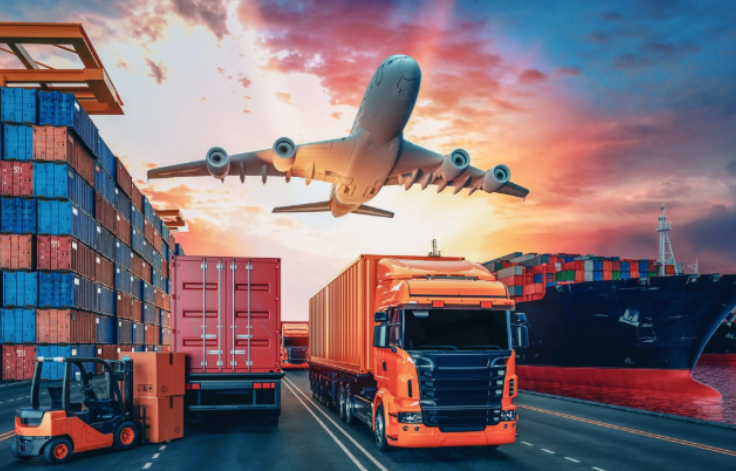
At Kask Logistics, our core services are air freight, sea freight and customs clearance. Together, they address three important aspects of international cargo movement.
Air freight: When time matters
Air freight provides a transportation option for businesses moving eligible cargo internationally by aircraft.
It may be suitable for urgent commercial shipments, samples and selected high value products where the speed of transportation justifies the cost.
Before selecting air freight, consider the cargo's weight and dimensions, destination, required timeline, handling requirements and the complete cost of the service.
Sea freight: When capacity and planning matter
Sea freight is widely used for transporting commercial cargo between international markets.
It can be suitable for larger shipments, containerised goods and consignments that can accommodate longer transit times.
Businesses may consider full container or less than container load according to shipment volume and route availability.
The right choice requires consideration of ocean freight, destination charges, inland transportation, timing and other applicable costs.
Customs clearance: Supporting compliant cargo movement
Transportation is only one part of international trade. Goods must also meet the customs requirements applicable to the transaction.
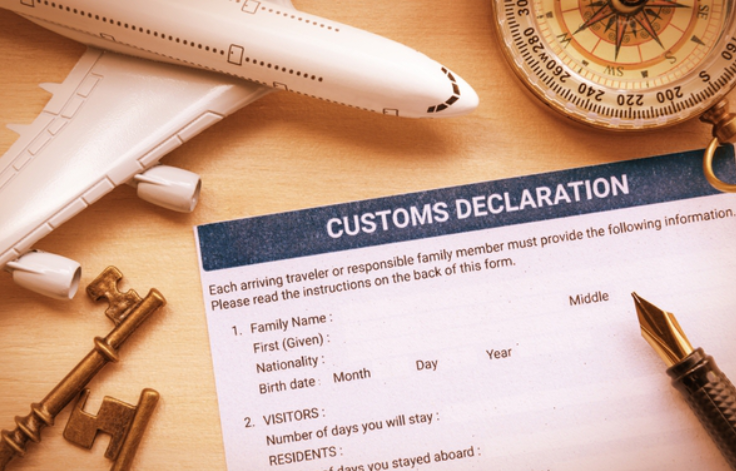
Customs clearance involves the relevant declarations, supporting documentation, tariff classification, valuation, duties and taxes and any applicable regulatory procedures.
Preparing the correct information early helps businesses identify potential issues and plan for the customs process.
Why consider your logistics requirements together?
Air freight, sea freight and customs clearance address different needs, but they are connected within the wider shipment journey.
For example, a business importing equipment may need to select a transport method, prepare the relevant commercial documents, establish applicable customs requirements and arrange delivery to its premises.
Considering these requirements together helps the business build a more realistic plan.
How to get started with KASK Logistics
When contacting us about a shipment, prepare the following information where available:
Cargo details: What are you shipping and in what quantity?
Origin and destination: Where are the goods being collected and delivered?
Shipment size: What are the approximate weight and dimensions?
Timeline: When should the shipment depart or arrive?
Service required: Are you considering air freight, sea freight, customs clearance or a combination of services?
Supporting information: Do you have an invoice, packing list, product details or other relevant documents?
These details help establish the scope of your requirements and support a more informed quotation.
Our approach
At KASK Logistics, we believe that good logistics begins with understanding the customer's needs.
Our focus is on helping importers and exporters explore suitable transportation and customs clearance arrangements, understand the information required for their shipments and coordinate the relevant stages of cargo movement.
We recognise that every shipment is different. The right solution depends on the goods, route, timing, applicable regulations and agreed service scope.