When goods cross international borders, they are subject to customs procedures and any other applicable regulatory requirements.
For importers, understanding these requirements before a shipment arrives can help prevent avoidable complications. For exporters, proper preparation can support smoother processing and compliance with the rules governing the goods being shipped.
Customs clearance is therefore an essential part of international trade.
What is customs clearance?
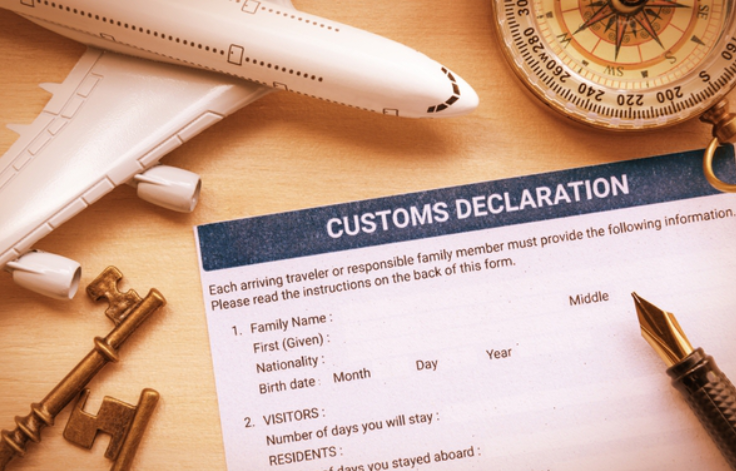
Customs clearance is the process through which goods are declared to the relevant customs authority and assessed in accordance with applicable customs laws and procedures.
Depending on the transaction, this may involve tariff classification, customs valuation, origin determination, payment of applicable duties and taxes, documentary checks, physical examination and other regulatory controls.
In Uganda, the Uganda Revenue Authority administers customs procedures under the applicable legal framework, including the East African Community Customs Management Act and related regulations.
Other government agencies may also be involved where goods are subject to specific permits, standards, health controls or other requirements.
Why is customs clearance important?
1. Legal compliance
Imported and exported goods must comply with the laws and procedures applicable to their transactions.
2. Correct duty and tax assessment
Tariff classification, customs value, origin and applicable rates help determine the duties and taxes payable.
3. Documentation accuracy
Inconsistent or incomplete documentation may lead to queries, corrections, inspections, or delays.
4. Shipment planning
Understanding clearance requirements early helps businesses prepare for the release and onward movement of cargo.
Documents commonly associated with customs clearance
Depending on the goods and transaction, relevant documents may include:
- Commercial invoice.
- Packing list.
- Bill of lading or air waybill.
- Import or export declaration.
- Certificate of origin, where relevant.
- Import permits, licences or conformity documents where required.
- Other supporting documents required by customs or the relevant regulatory agencies.
Not every shipment requires every document listed above. Requirements depend on the product, origin, destination, trade arrangement and applicable law.
Understanding tariff classification
Goods are classified using the Harmonized System and the applicable national or regional tariff nomenclature.
The classification helps establish the relevant customs duty rate and may determine whether additional measures, restrictions or documentation apply.
For example, two products that appear similar may fall under different tariff headings because of differences in composition, function or intended use.
Accurate classification requires a proper description of the goods and reference to the applicable tariff rules.
What role does a clearing agent play?
A clearing agent can assist with preparing and processing customs declarations, reviewing supporting documentation, coordinating applicable procedures and communicating with the relevant parties.
Importers should provide complete and accurate information and understand their own responsibilities under the applicable laws. Engaging a clearing agent does not automatically remove an importer's legal obligations.
Customs clearance through Kask Logistics
KASK Logistics offers customs clearance support as part of its import and export service offering.
Our approach starts with understanding the goods, the transaction and the documentation required to support the relevant customs procedures.
Early preparation can help businesses identify potential issues before they become costly disruptions.
Customs clearance should not be treated as an afterthought but rather a critical part of planning an international shipment.