
Exporting creates opportunities for businesses to reach new customers, diversify their markets and grow beyond domestic demand.
For Ugandan businesses, international markets may offer opportunities for agricultural products, manufactured goods, processed foods and other products that meet buyers' requirements.
However, finding a customer is only one part of the export journey. Businesses must also prepare their goods, meet the requirements of the destination market, arrange transportation and complete the relevant export procedures.
Step 1: Understand your target market
Before accepting an international order, research the destination market and establish what the buyer requires.
This may include product specifications, packaging, labelling, quality standards, shelf-life requirements, permits and applicable import rules.
Requirements vary by destination and product. Agricultural goods and food products, for example, may be subject to specific sanitary or phytosanitary controls.
Confirm these requirements before production or dispatch.
Step 2: Prepare your goods and packaging
Goods should be packaged appropriately for their characteristics and the anticipated transportation conditions.
Consider handling, moisture, temperature, breakage, stacking, and the length of the journey.
Packaging and labelling should also comply with any applicable destination-market rules and buyer specifications.
Step 3: Prepare export documentation
Depending on the shipment, documentation may include:
- Commercial invoice.
- Packing list.
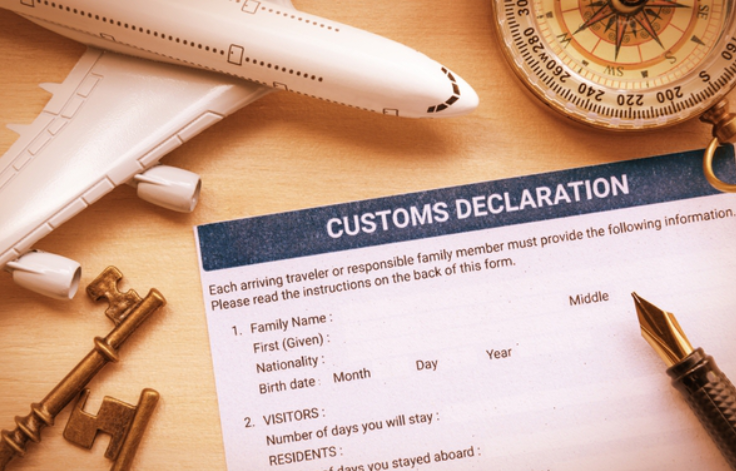
- Export customs declaration.
- Air waybill or bill of lading.
- Certificate of origin, where applicable.
- Export permits or licences where required.
- Product-specific inspection, health, or conformity certificates where applicable.
The exact requirements depend on the goods, destination, and relevant trade arrangements.
Step 4: Select the right transportation option
Air freight can suit urgent shipments, samples, and certain perishable or high-value goods, subject to handling and carriage requirements.
Sea freight may be suitable for larger consignments, containerised cargo, and shipments where longer transit times can be accommodated.
Consider the buyer's delivery expectations, the product's characteristics, shipment volume, and the complete transportation cost before deciding.
Step 5: Understand the destination and delivery arrangements
Clarify who is responsible for freight, insurance, export formalities, import clearance, and delivery at the destination.
Agreed delivery terms should be documented clearly to reduce misunderstandings between buyer and seller.
Where appropriate, consider the destination country's import requirements before dispatch rather than waiting until the goods arrive.
Step 6: Protect your commercial interests
International orders should be supported by clear contracts, agreed specifications, payment terms, and delivery expectations.
Businesses should also consider cargo insurance, foreign-exchange exposure, product compliance, and the consequences of delays or rejected shipments.
Professional advice may be necessary for unfamiliar markets or regulated products.
The role of logistics in export growth
Reliable logistics helps connect local producers with international buyers.
When transportation and customs requirements are considered early, exporters can make better-informed decisions about pricing, delivery commitments, and market opportunities.
Logistics planning is therefore part of export strategy, not simply the final stage after a sale.
Kask Logistics offers air freight, sea freight and customs clearance services to support businesses planning international shipments.
We encourage exporters to share their cargo details, target destination, required timeline and relevant documentation information early in the process.