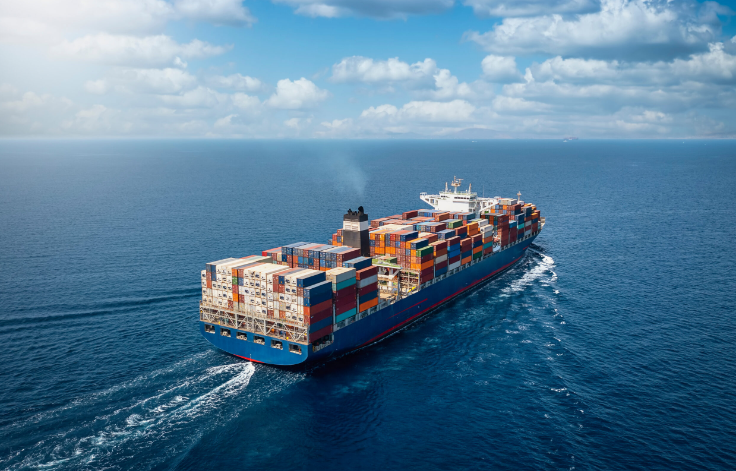
For businesses moving substantial quantities of goods across international markets, sea freight is one of the principal transportation options to consider.
From industrial equipment and furniture to packaged merchandise and commercial supplies, ocean shipping can accommodate many types of cargo. It can also provide a practical solution for businesses planning shipments in advance.
Understanding the available options helps importers and exporters make informed decisions about capacity, timing and transportation costs.
What is sea freight?
Sea freight involves transporting cargo by vessel between ports. The shipment may then require additional transportation to reach its final destination.
For businesses in Uganda, an international sea shipment commonly involves a seaport in a neighbouring country like Kenya or Tanzania followed by inland transportation, depending on the origin, route and final delivery location.
The complete journey therefore involves more than the time spent at sea.
What is a Full container load or less than container load?
Full Container Load (FCL)
FCL is generally used when a shipment occupies an entire container booked for that consignment. It may suit businesses shipping larger quantities or requiring greater control over the container arrangement.
Less than Container Load (LCL)
LCL allows compatible shipments from different customers to share container space. It can be useful when a business does not need an entire container.
The appropriate option depends on shipment volume, cargo characteristics, route availability, cost and delivery requirements.
What are the advantages of sea freight?
Capacity: Sea freight accommodates a wide range of commercial cargo and shipment sizes.
Cost considerations: For many large or heavy shipments, sea freight may offer a lower transportation cost per unit than air freight, although this depends on the route and the complete charges involved.
Flexibility: Businesses can consider different container arrangements and shipping services according to their requirements.
Planning: Regular importers and exporters can incorporate shipping schedules into inventory and supply chain plans.
What is considered before booking?
Before choosing a sea freight service, establish:
- The precise description and quantity of goods.
- The cargo's weight and dimensions.
- Whether FCL or LCL is more appropriate.
- The port of loading and destination arrangements.
- Estimated transit time and possible transshipment.
- Port handling, inland transportation and other applicable charges.
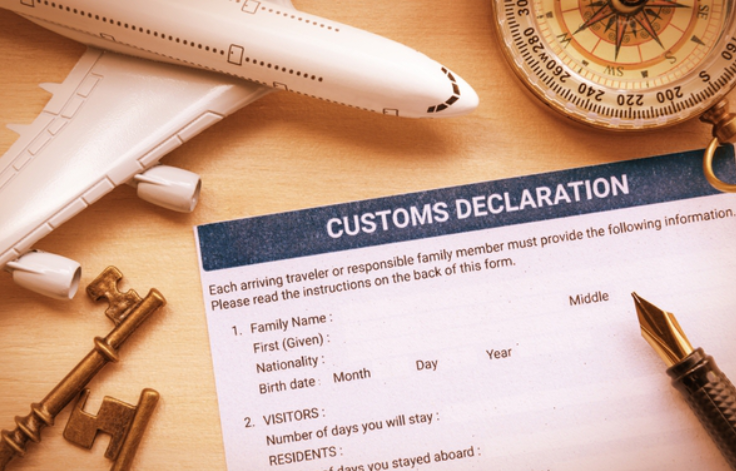
- Customs documentation, insurance and any relevant regulatory requirements.
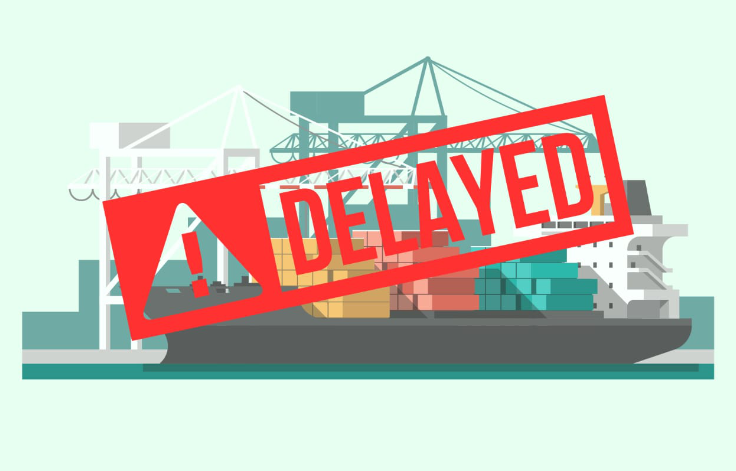
Transit times can be affected by vessel schedules, congestion, weather, transshipment, port procedures and inland transportation.
Understanding the total shipping cost
The quoted ocean freight rate is not necessarily the total cost of getting goods to their destination.
Depending on the agreed service, additional costs may include origin handling, destination charges, port fees, inland transport, customs duties, taxes, inspection charges, storage and demurrage or detention where applicable.
Ask for clarity on the quotation's scope and any charges that are excluded.
Sea freight with KASK Logistics
Kask Logistics supports businesses seeking sea freight solutions for their import and export requirements.
We encourage customers to share accurate cargo details and delivery expectations so that the available options can be assessed appropriately.